
Research Fellowship in Aging
Overview
The Research Fellowship in Aging is designed to support faculty and professional staff in the Arnold School of Public Health (ASPH) to conduct research in the multidisciplinary field of aging. Topics might include healthy aging, caregiving, social gerontology, the built environment, or Alzheimer’s disease and related dementias. One award in the amount of $5,000 will be made annually. This award may be used for research expenses, travel, participant honoraria, software, books, supplies, equipment, and/or summary salary.
This fellowship is available through the generous support of Norman and Gerry Sue Arnold (ASPH). The Research Fellowship in Aging was inaugurated in 2020 and continues to support faculty and staff with a focus on aging research.
Eligibility
-
- Full-time position in the ASPH
- Early career faculty member OR newly engaged in research focused on aging
- Professional research staff (e.g., research associate)
Application Requirements
The Research Fellowship in Aging Application Guidelines identifies all requirements and expectations for the applicant to complete. The application checklist is as follows:
-
-
- Title Page
- Endorsement Letter
- Aging Experience
- Proposed Project Narrative
- Budget Justification
- Formatting Guidelines
- References
- Document Upload
-
Submission Deadline: October 22
Submission Upload: 2026 Funding in Aging Applications
Fellowship Recipients
hidden
2025
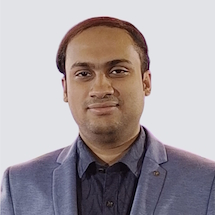 Rahul Ghosal, Ph.D.
Dr. Rahul Ghosal is an Assistant Professor of Biostatistics in the Department of Epidemiology and Biostatistics at the University of South Carolina. He earned a PhD in Statistics from North Carolina State University and was a postdoctoral fellow at the Johns Hopkins Bloomberg School of Public Health. Dr. Ghosal’s research lies at the intersection of advanced statistical methodology and digital health. He develops functional and distributional data analysis methods for modelling continuously monitored health data e.g., accelerometer-estimated physical activity, continuous glucose monitoring (CGM), and gait to provide a better understanding of aging and disease progression. He is particularly interested in associating these digital biomarkers with behavioral, cognitive, and neuropsychiatric outcomes, with a specific focus on Alzheimer’s disease research. With funding from the Research Fellowship in Aging, his research will advance understanding of how longitudinal trajectories of daily activity patterns change over the years and relate to major health transitions.
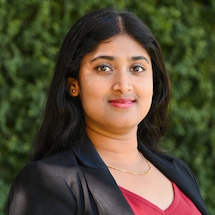 Enakshi Saha, Ph.D.
Dr. Enakshi Saha is an Assistant Professor of Biostatistics at the Arnold School of Public Health. Her research lies at the intersection of Bayesian statistics, machine learning and computational biology. She builds computational tools for uncovering individual-specific variability in the molecular mechanisms of human traits and diseases, such as aging and cancer. Dr. Saha was recently nominated by the National Academy of Medicine for the 2025 Richard and Hinda Rosenthal Emerging Leaders in Health and Medicine Forum. Before joining USC, she obtained a PhD in Statistics from the University of Chicago and completed postdoctoral training at the Harvard T. H. Chan School of Public Health. With funding from the Research Fellowship in Aging, Dr. Saha will identify the molecular mechanisms driving sex differences in how the human lung ages, and how these aging-related changes differentially impact the risk of lung diseases such as lung cancer and COPD between sexes.
2024
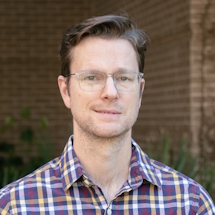 Mark A. Sarzynski, PhD, FACSM, FAHA
Dr. Mark A. Sarzynski is an Associate Professor in the Department of Exercise Science in the Arnold School of Public Health at the University of South Carolina. Dr. Sarzynski’s research interests involve identifying the molecular transducers underlying the benefits of regular exercise on aging-related cardiometabolic diseases and risk factors. With funding from the Research Fellowship in Aging, he will examine the effects of an exercise intervention on multiple biological aging clocks derived from proteins or metabolites.
2023
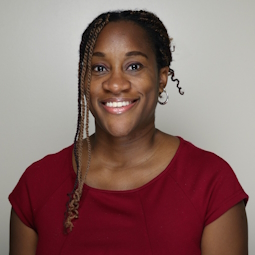
Monique Brown, PhD
Dr. Monique J. Brown is an Assistant Professor in the Department of Epidemiology and Biostatistics in the Arnold School of Public Health at the University of South Carolina. She teaches “Scientific Writing and Appraisal of Epidemiologic Studies” and “Social Epidemiology”. Her primary areas of research include examining the impact of trauma on health and behavioral outcomes across the life course. With funding from the Research Fellowship in Aging, she will examine the impact of childhood adversity on depression and life satisfaction among older adults, and will examine the potential disparities by race/ethnicity, gender and cognitive status.
2022

Lisa Johnson Norris, PhD
Dr. Lisa Johnson Norris is a Research Assistant Professor in the Department of Communication Sciences and Disorders (COMD). She is a proud faculty member in the Arnold School of Public Health and serves as an instructor for COMD courses focused in anatomy and neurobiological bases of language. Her primary research interests include investigating the behavioral and neural factors which predict treatment response and long-term aphasia trajectory. Through generous funding from the OSA, she is investigating longitudinal changes of stroke lesions and how degradation of surrounding tissues could be a predictor of cognitive and linguistic declines in persons with aphasia.
2021
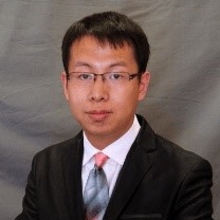
J Wei, PhD
Dr. Jingkai Wei’s primary area of research is in the epidemiology of cardiovascular disease and cognitive aging. He is particularly interested in how lifestyle (physical activity, diet), psychosocial (depression), and vascular risk factors (hypertension, subclinical atherosclerosis) affect those health outcomes.
2020
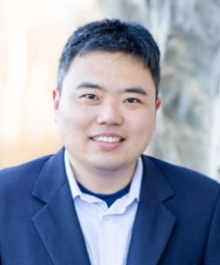
Jason Yang, PhD
Dr. Jason Yang received his PhD in Kinesiology at Penn State University with a focus on psychology of physical activity and completed a postdoctoral research fellow working in the Real-Time Eating Activity and Children’s Health Laboratory at the University of Southern California. Dr. Yang has research interests in utilizing Ecological Momentary Assessment/Ambulatory Assessment to understand the dynamics of health behavior change and maintenance in naturalistic settings. He also applies novel data capture methods and advanced statistical approaches to modeling intensive longitudinal data generated from mobile devices.